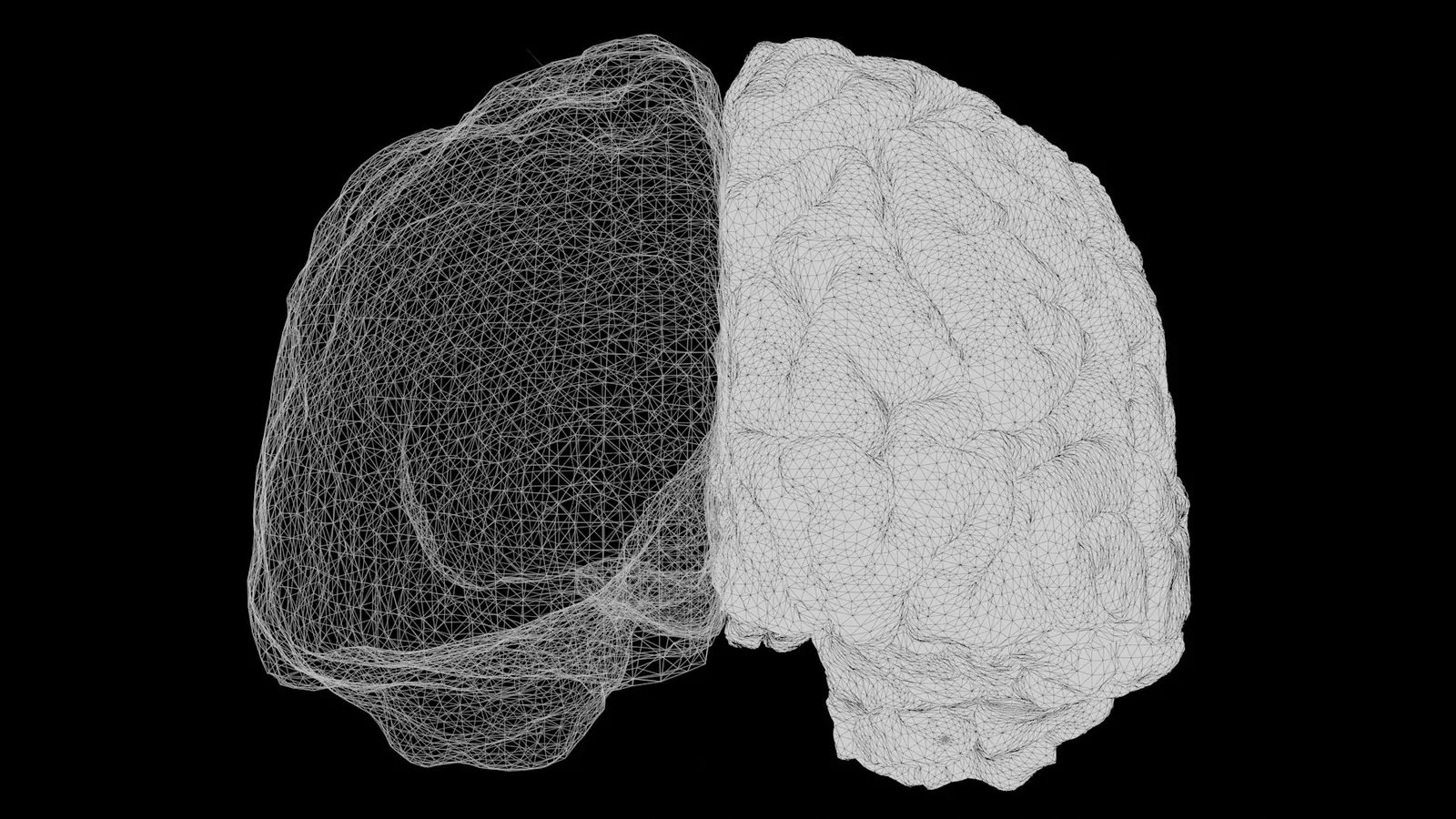
Pituitary Tumour: what it is
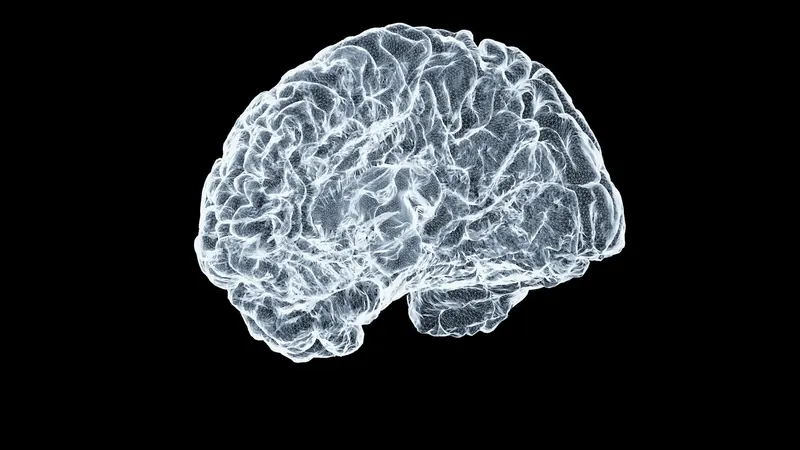
The pituitary gland is a pea-sized gland at the base of the brain, behind the nose and just below the nerves that carry vision. It is often called the master gland because it controls many other hormone glands, such as the thyroid, the adrenal glands, and the ovaries or testes.
Read moreShow less
Most pituitary tumours are pituitary adenomas, which are benign (non-cancerous) and grow slowly. Some make too much of a hormone (functioning tumours). Others do not make hormones but cause problems by pressing on nearby structures (non-functioning tumours).
Small tumours are often found by chance on a brain scan done for another reason. Larger tumours can press on the optic nerves (the nerves of the eyes) and affect vision.
Symptoms
How it is diagnosed
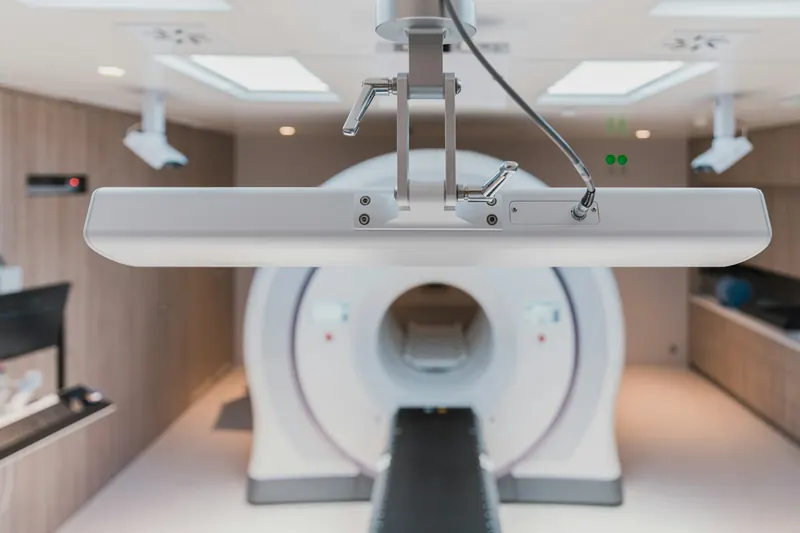
An MRI of the pituitary gland with contrast shows the size of the tumour and how close it is to the optic nerves and the major blood vessels.
Read moreShow less
Blood tests check the levels of pituitary and related hormones, such as prolactin, growth hormone, cortisol and thyroid hormones. These tests show whether the tumour is making extra hormone or whether the gland is working less than it should.
An eye examination, including a visual field test (a test of side vision), checks whether the tumour is pressing on the optic nerves. Care is usually shared between a neurosurgeon, an endocrinologist (hormone specialist) and an eye specialist.
Treatment options
Step 1
Without surgery
Not every pituitary tumour needs surgery. Prolactinomas, tumours that make the hormone prolactin, are usually treated first with tablets, which often shrink the tumour and control hormone levels. Surgery is usually considered only if medicines do not work or are not tolerated.
Read moreShow less
Small non-functioning tumours that do not affect vision or hormones may be watched with regular MRI scans and hormone tests. Hormone replacement may be needed if the gland is not making enough of certain hormones. Radiotherapy may be used for tumours that remain or come back after surgery.
If needed
When surgery helps
Surgery is usually advised when a tumour is pressing on the optic nerves and affecting vision, when it makes too much growth hormone or cortisol, when it is growing, or when a prolactinoma does not respond to medicines. Sudden bleeding into the tumour (pituitary apoplexy) with vision loss may need urgent surgery.
Read moreShow less
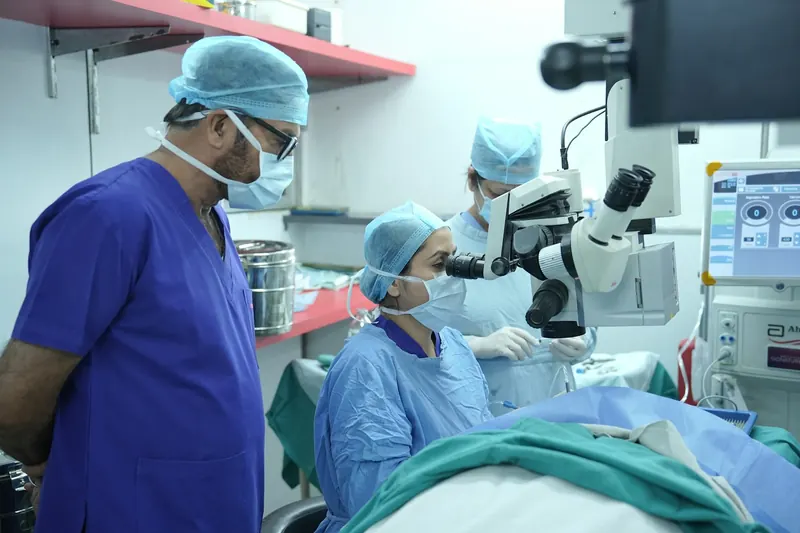
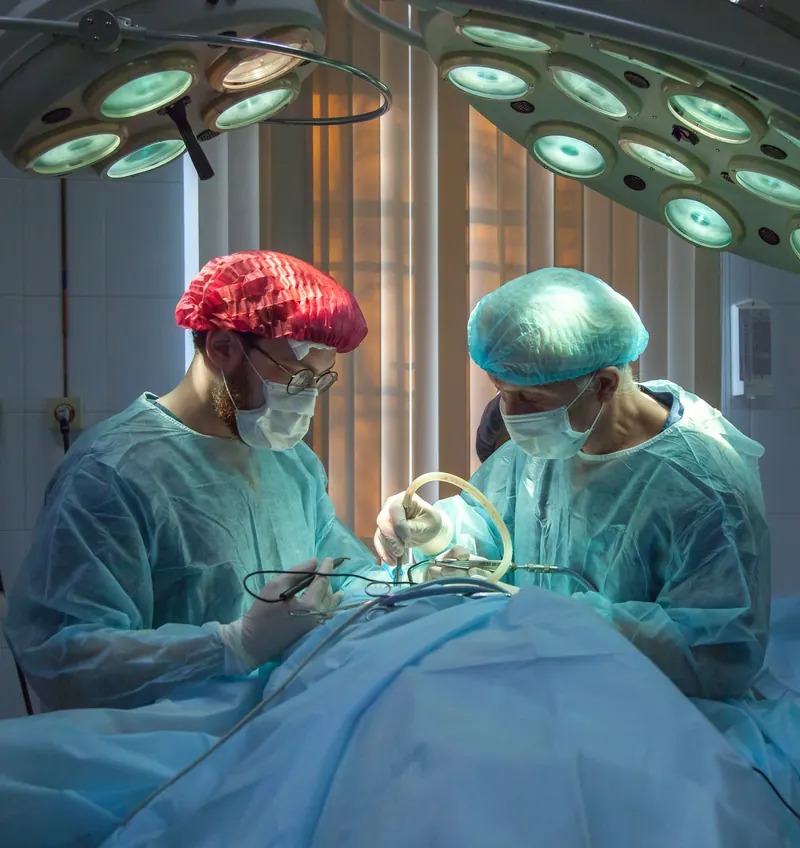
Most pituitary tumours are removed through the nose (transsphenoidal surgery), using an endoscope (a thin camera) or a microscope. This avoids a cut on the face or scalp. Very large or unusually shaped tumours may sometimes need an operation through the skull.
Recovery and outlook
After surgery through the nose, most people stay in hospital for a few days. A blocked nose, mild headache and crusting inside the nose are common for a few weeks. You will be advised not to blow your nose hard or strain for some time.
Read moreShow less
Hormone levels are checked closely after surgery. Tell your doctor straight away if you feel extremely thirsty and pass large amounts of urine, as this can be a temporary hormone problem after pituitary surgery. Some people need hormone tablets for a short time or long term. Vision often improves when pressure on the optic nerves is relieved, but this depends on how long and how severe the pressure was. Regular MRI scans and hormone tests are part of long-term follow-up.
Questions patients ask
Is a pituitary tumour cancer?
Almost all pituitary tumours are benign (non-cancerous) adenomas. They can still cause problems with vision and hormones, which is why they need proper assessment and follow-up.
Does every pituitary tumour need an operation?
No. Prolactinomas are usually treated with medicines first, and small tumours that cause no problems can often be watched with scans and blood tests. Surgery is advised when vision, hormone problems or tumour growth make it necessary.
Can a pituitary tumour affect my eyesight?
Yes. A large tumour can press on the optic nerves and usually reduces side vision first. Vision often improves after treatment, especially when the pressure has not been there for a long time. Get any change in vision checked promptly.
Is pituitary surgery done through the nose?
In most cases, yes. The surgeon reaches the pituitary gland through the nose and the sinus behind it, using an endoscope or a microscope. There is usually no visible scar.
Will I need hormone tablets after surgery?
Some people do. It depends on the tumour and how well the remaining gland works after surgery. Your endocrinologist and neurosurgeon will check your hormones and advise if replacement is needed.
Disclaimer: This information is for general awareness and is not a substitute for a medical consultation. Read moreSource: Content on this website was prepared with the help of AI tools (AI-assisted) and is medically reviewed by Dr. Kshitiz Nigam, MBBS, MS, MCh (Neurosurgery), Reg. No. MP-33282.