
Cervical Spondylosis: what it is
The neck (cervical spine) has seven small bones with discs between them. With age, these discs lose water and become thinner, and the joints develop small bony growths (bone spurs). This wear and tear is called cervical spondylosis.
Read moreShow less
Most people over 50 show some signs of spondylosis on an X-ray, and many of them have no symptoms at all. Long hours looking down at phones or computers, poor posture, carrying heavy loads on the head and old neck injuries can add to neck strain.
In some people, a bulging disc or bone spur presses on a nerve going to the arm (cervical radiculopathy). Less often, the spinal canal narrows and presses on the spinal cord itself (cervical myelopathy). Myelopathy needs closer attention because it can affect walking and hand use.
Symptoms
How it is diagnosed
The doctor will ask about your symptoms and examine your neck movement, arm and leg strength, reflexes, feeling and walking. Some signs on examination can point to pressure on the spinal cord.
Read moreShow less
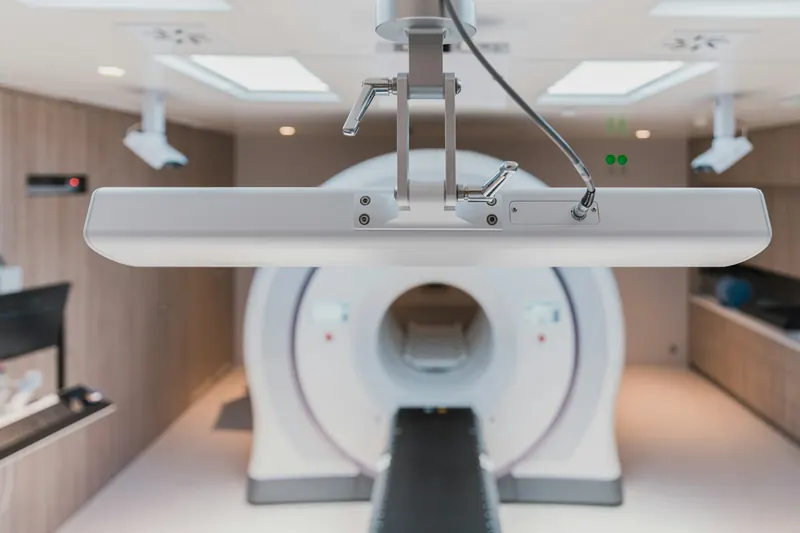
An X-ray of the neck shows the bones, disc spaces and bone spurs. An MRI of the neck shows the discs, nerves and spinal cord. It is advised when there is arm pain or weakness, signs of spinal cord pressure, or pain that does not improve with treatment.
Nerve conduction tests may help when it is not clear whether the symptoms come from the neck or from a nerve pressed at the wrist or elbow (such as carpal tunnel syndrome).
Treatment options
Step 1
Without surgery
Most people with cervical spondylosis, including many with arm pain from a pinched nerve, improve without surgery. Treatment usually includes pain relief medicines prescribed by your doctor, physiotherapy, and regular neck and shoulder exercises.
Read moreShow less
Simple changes help a lot. Keep screens at eye level, take breaks from long sitting, use a pillow that supports the neck, and avoid carrying heavy loads on the head. A soft collar may be advised for a short time during a painful flare, but long-term use can weaken the neck muscles.
For arm pain that does not settle, your doctor may suggest an injection near the nerve. Forceful neck manipulation or 'cracking' by untrained people should be avoided, especially if there are signs of nerve or spinal cord pressure.
If needed
When surgery helps
Surgery is considered when there are signs of pressure on the spinal cord (myelopathy), such as clumsy hands, unsteady walking or weakness, because this pressure can slowly damage the cord. It is also considered when arm pain from a pinched nerve stays severe for several weeks despite treatment, or when arm weakness is getting worse.
Read moreShow less
The aim of surgery is to free the spinal cord and nerves from pressure. Depending on the scan, this may be done from the front of the neck by removing the disc and placing a spacer or artificial disc, or from the back of the neck. Your neurosurgeon will explain which operation fits your problem.
For myelopathy, the main goal of surgery is to stop the condition from getting worse. Some symptoms may improve after surgery, but nerve damage that has been present for a long time may not fully recover. This is why warning signs should be checked early.
Recovery and outlook
Neck pain from spondylosis often comes and goes over the years. Regular exercise, good posture and healthy screen habits help keep flare-ups mild.
Read moreShow less
After neck surgery, most people walk the same day or the next day and go home within a few days. A collar may be advised for a short time. Light work is usually possible within a few weeks, and your surgeon will guide you on driving and lifting.
Questions patients ask
Will I need surgery for cervical spondylosis?
Most people do not. Neck pain and even arm pain from spondylosis usually improve with exercises, posture changes and medicines during flare-ups. Surgery is advised mainly when there is pressure on the spinal cord or when nerve pain and weakness do not settle.
Can cervical spondylosis be cured?
The age-related changes in the spine cannot be reversed, but the symptoms can usually be controlled well. Regular exercise and good posture are the most useful long-term habits.
Should I wear a cervical collar all the time?
No. A soft collar may help for a few days during severe pain, but wearing it for long periods can weaken the neck muscles. Use it only as advised by your doctor.
Which pillow is good for neck pain?
A single pillow that keeps your neck in line with your body is usually comfortable. It should be neither too high nor too flat. Try to avoid sleeping on your stomach with the neck twisted to one side.
When should I worry about neck pain?
See a doctor soon if you have weakness, clumsy hands, difficulty walking, or loss of bladder or bowel control. Also get checked if neck pain follows an accident or comes with fever or weight loss. Ordinary neck stiffness without these signs usually improves with simple care.
Is neck surgery risky?
All surgery has some risk. Possible problems after neck surgery include short-term difficulty swallowing or a hoarse voice, infection, bleeding and, rarely, injury to a nerve or the spinal cord. Your neurosurgeon will discuss the risks and expected benefits for your case before any decision.
Disclaimer: This information is for general awareness and is not a substitute for a medical consultation. Read moreSource: Content on this website was prepared with the help of AI tools (AI-assisted) and is medically reviewed by Dr. Kshitiz Nigam, MBBS, MS, MCh (Neurosurgery), Reg. No. MP-33282.