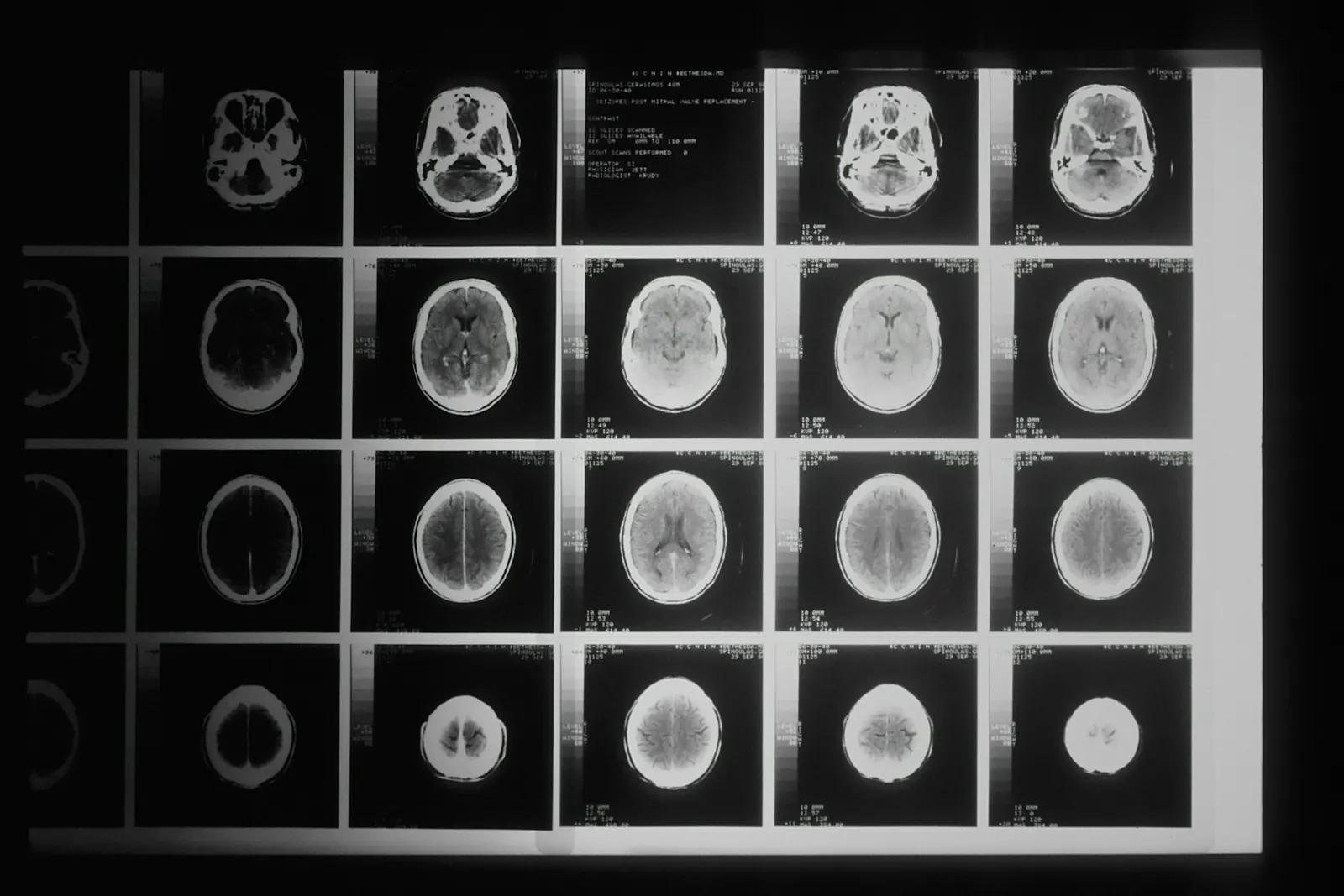
Brain Tumour: what it is
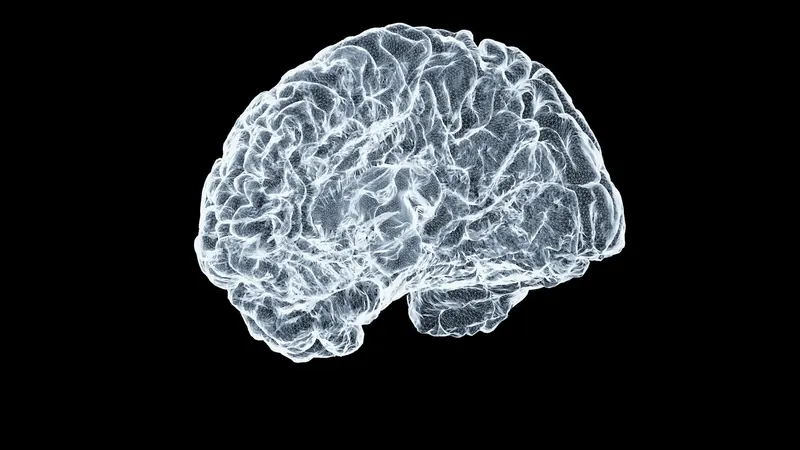
A brain tumour is a lump formed by cells growing in an uncontrolled way inside the skull. It may start in the brain or its coverings (primary tumour), or it may spread to the brain from cancer elsewhere in the body, such as the lung or breast (secondary or metastatic tumour).
Read moreShow less
Not every brain tumour is cancer. Many meningiomas (tumours of the brain's covering) and schwannomas (tumours of the nerve covering) are benign (non-cancerous) and grow slowly. Others, such as some gliomas, are malignant (cancerous) and can grow faster. Even a benign tumour can cause problems, because there is limited space inside the skull.
Brain tumours can happen at any age, including in children. In most cases, the exact cause is not known.
Symptoms
How it is diagnosed
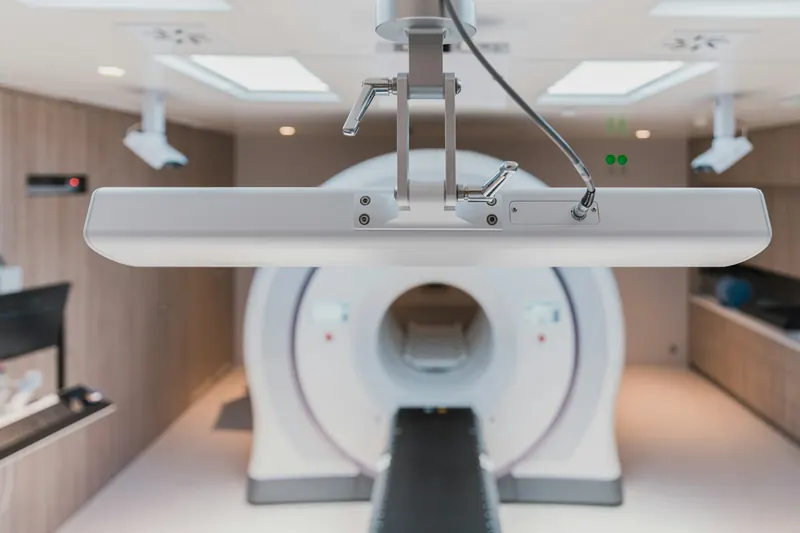
The neurosurgeon will ask about your symptoms and do a neurological examination, checking strength, feeling, reflexes, balance, vision, speech and memory.
Read moreShow less
An MRI of the brain with contrast (a dye given through a vein) is the main test. It shows the size, location and features of the tumour. A CT scan is often done first in an emergency. Other tests may include an eye examination, hormone tests, special MRI scans to map important brain areas, or scans of the body to look for a source elsewhere.
The exact type of tumour is confirmed by examining a piece of the tumour under a microscope (biopsy or histopathology). This is usually done on the tissue removed during surgery, and the report guides further treatment.
Treatment options
Step 1
Without surgery
Not every brain tumour needs immediate surgery. Some small, slow-growing tumours that cause no symptoms, such as small meningiomas, may be watched with regular MRI scans.
Read moreShow less
Medicines may be given to reduce swelling around the tumour and to control seizures. Radiotherapy (treatment with targeted radiation) and chemotherapy (anti-cancer medicines) are used for many tumours, often after surgery. Some small tumours may be treated with focused radiation (radiosurgery) instead of an operation. Treatment is usually planned together by a neurosurgeon, a radiation oncologist and a medical oncologist.
If needed
When surgery helps
Surgery is often the first step for tumours that are causing symptoms, growing on scans, or need a tissue diagnosis. The aim is to remove as much of the tumour as can be removed safely, without harming important brain areas. In some cases, only a small sample (biopsy) can be taken safely.
Read moreShow less
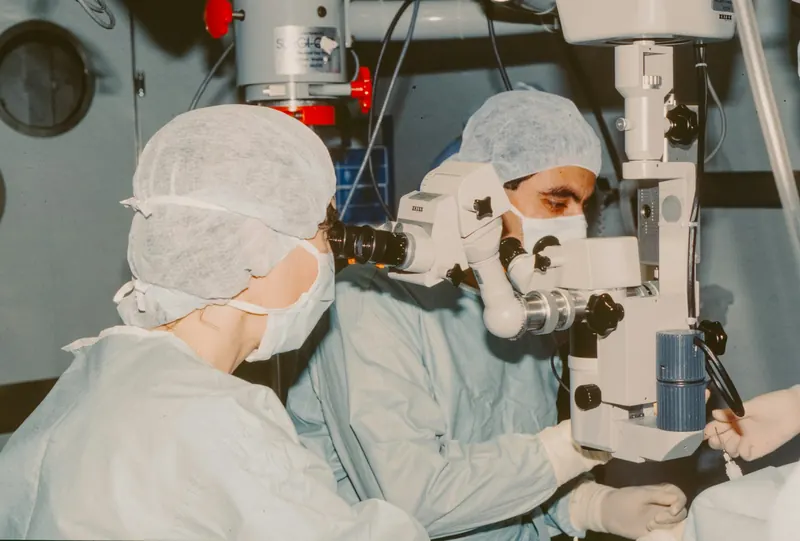
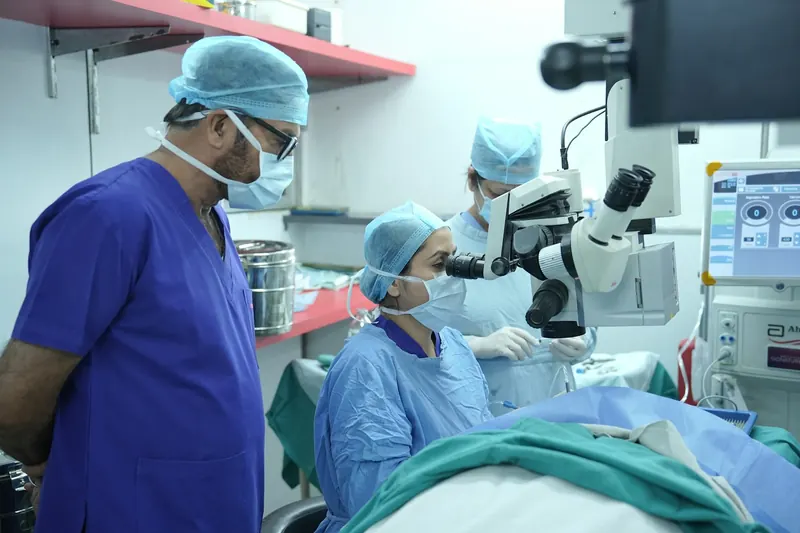
Brain tumour surgery is done using an operating microscope, and sometimes with neuronavigation (a GPS-like guidance system for the brain) and nerve monitoring, to help the surgeon work precisely. Tumours at the base of the skull may need skull base approaches, and many pituitary tumours are removed through the nose.
Your neurosurgeon will explain the goal of surgery in your case, the possible risks, and what further treatment may be needed after the operation.
Recovery and outlook
Most people stay in hospital for several days after brain tumour surgery, sometimes starting in an intensive care unit (ICU) for close monitoring. Tiredness, headache and some swelling are common in the first few weeks.
Read moreShow less
Some people need physiotherapy, speech therapy or rehabilitation to regain strength or skills. Recovery and long-term outlook depend a lot on the tumour type and grade, its location and the person's general health. Regular follow-up MRI scans are part of care after treatment.
Questions patients ask
Is every brain tumour cancer?
No. Many brain tumours, such as most meningiomas, are benign (non-cancerous). Benign tumours can still cause symptoms by pressing on the brain, so they may still need treatment.
Is every headache a sign of a brain tumour?
No. Most headaches are caused by common problems like migraine, tension or eye strain. A headache that is new, keeps getting worse, wakes you from sleep, or comes with vomiting, fits, weakness or vision problems should be checked by a doctor.
Is brain surgery very risky?
Brain surgery has real risks, such as bleeding, infection, seizures, or new weakness or speech difficulty. The level of risk depends on the tumour's size and location and on your general health. Your neurosurgeon will explain these risks clearly so that you and your family can make an informed decision.
Will I need radiotherapy or chemotherapy after surgery?
It depends on the tumour type in the biopsy report. Many benign tumours need no further treatment after removal, while cancerous tumours usually need radiotherapy, chemotherapy or both. Your treating team will plan this with you.
Can a brain tumour come back?
Some tumours can come back after treatment, especially cancerous types or when part of the tumour could not be removed safely. This is why regular follow-up scans are advised.
Can children get brain tumours?
Yes. Brain tumours are one of the more common types of tumour in children. Warning signs include morning headaches with vomiting, balance problems, a squint or vision changes, and a fast-growing head in babies. These signs should be checked by a doctor without delay.
Disclaimer: This information is for general awareness and is not a substitute for a medical consultation. Read moreSource: Content on this website was prepared with the help of AI tools (AI-assisted) and is medically reviewed by Dr. Kshitiz Nigam, MBBS, MS, MCh (Neurosurgery), Reg. No. MP-33282.