
Brain Aneurysm: what it is
A brain aneurysm is a bulge in the wall of an artery in the brain, often shaped like a small berry. It forms at a weak point in the vessel wall, usually where an artery branches.
Read moreShow less
Many aneurysms are small and never burst. They are often found by chance on a scan done for another reason. If an aneurysm bursts (ruptures), blood leaks into the space around the brain. This is called a subarachnoid haemorrhage, and it is a life-threatening emergency.
Risk factors include high blood pressure, smoking, heavy alcohol use, a family history of brain aneurysms, and some inherited conditions such as polycystic kidney disease. Aneurysms are found mostly in adults and are slightly more common in women.
Symptoms
How it is diagnosed
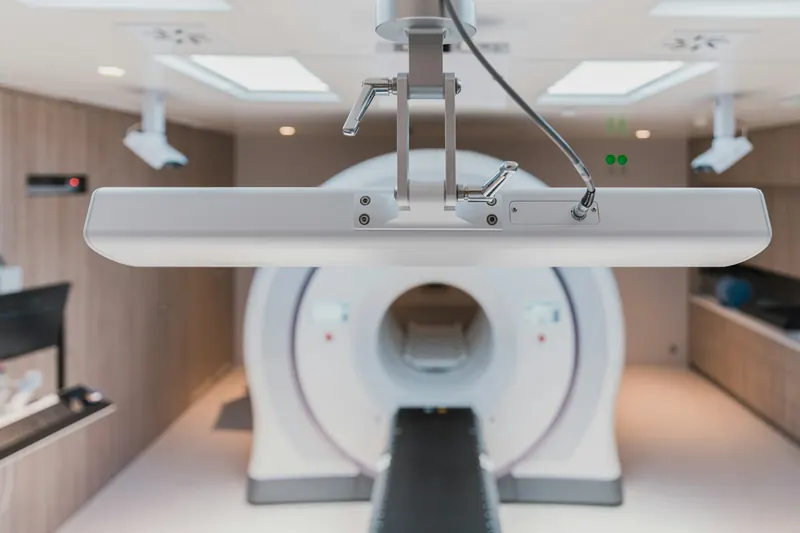
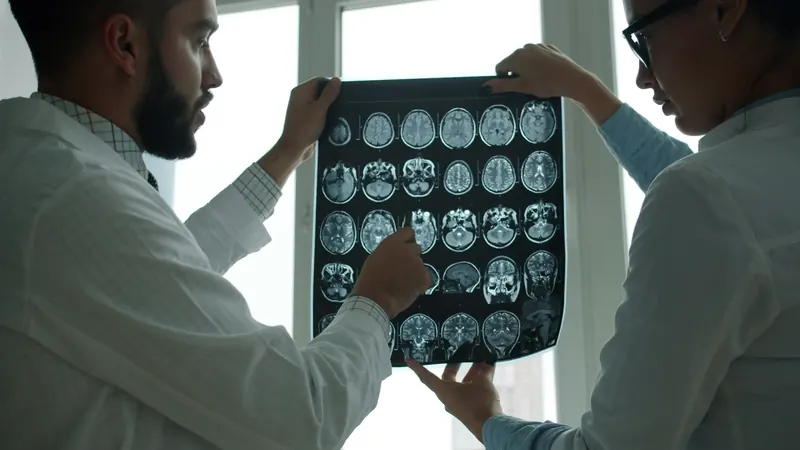
If a burst aneurysm is suspected, a CT scan of the head is done urgently to look for bleeding. If the CT scan is normal but the doctor is still concerned, a lumbar puncture (a sample of fluid from the lower back) may be done.
Read moreShow less
To find and study the aneurysm, doctors use a CT angiogram or MR angiogram (scans of the blood vessels using contrast dye). A digital subtraction angiogram (DSA) may also be done. In this test, a thin tube is passed through a blood vessel in the groin or wrist and dye is injected to show the brain's arteries in detail.
Treatment options
Step 1
Without surgery
Many small aneurysms that have not burst can be watched with regular scans, especially when the risk of bursting is low. Controlling blood pressure, stopping smoking and avoiding heavy alcohol use help lower the risk.
Read moreShow less
The decision to watch or treat depends on the size, shape and location of the aneurysm, your age and health, and your personal and family history. Your neurosurgeon will discuss this carefully with you.
If needed
When surgery helps
A burst aneurysm usually needs treatment as soon as possible to stop it from bleeding again. An aneurysm that has not burst may be treated if it is larger, growing, irregular in shape, causing symptoms or in a higher-risk location.
Read moreShow less
There are two main treatments. Surgical clipping is an open operation in which the neurosurgeon places a small metal clip across the neck of the aneurysm to seal it off. Endovascular coiling is done through a thin tube passed from the groin or wrist, and fills the aneurysm with soft metal coils, sometimes with a stent. Both are established treatments, and the choice depends on the aneurysm and the patient.
Recovery and outlook
After planned treatment of an aneurysm that has not burst, many people go home within a few days to a week and return to normal activities over a few weeks.
Read moreShow less
After a burst aneurysm, the hospital stay is usually longer and starts in an intensive care unit (ICU). This is because problems such as narrowing of the brain's blood vessels (vasospasm) or hydrocephalus can develop in the following days. Recovery can take months and may need rehabilitation. Follow-up scans are advised to check that the aneurysm stays sealed.
Questions patients ask
Does every brain aneurysm need surgery?
No. Many small aneurysms that have not burst can be watched with regular scans. Treatment is advised when the risk of bursting is higher, for example with larger, growing or irregular aneurysms, or after an aneurysm has bled.
What does a burst aneurysm feel like?
It usually causes a sudden, very severe headache, unlike any headache before. It may come with vomiting, a stiff neck, fainting or a fit. Call 108 or 112 straight away if this happens.
What is the difference between clipping and coiling?
Clipping is an open operation in which a small metal clip is placed across the neck of the aneurysm. Coiling is done from inside the blood vessel through a thin tube and fills the aneurysm with coils. Your neurosurgeon will explain which one suits your aneurysm.
Should my family members be screened?
If two or more close relatives have had brain aneurysms, screening of other family members may be advised. Talk to your doctor about your family history.
How can I lower my risk?
Keep your blood pressure under control, do not smoke, and limit alcohol. If you have a known aneurysm, follow your doctor's advice about scans and activity.
Disclaimer: This information is for general awareness and is not a substitute for a medical consultation. Read moreSource: Content on this website was prepared with the help of AI tools (AI-assisted) and is medically reviewed by Dr. Kshitiz Nigam, MBBS, MS, MCh (Neurosurgery), Reg. No. MP-33282.